
News from the Network
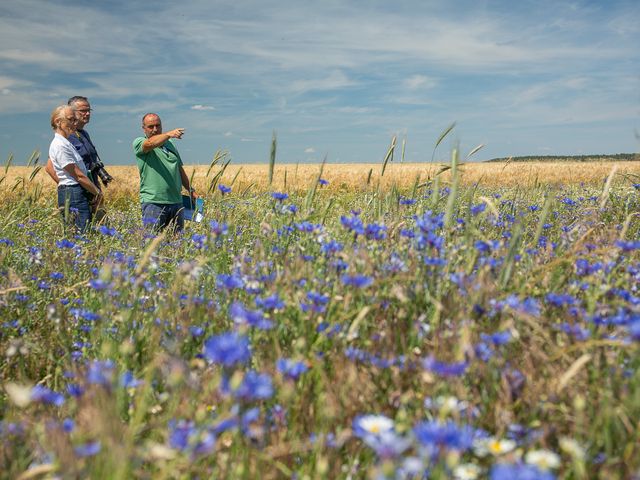
Biodiversity in agricultural landscapes requires flexible framework conditions: EU research project Contracts 2.0 publishes handbook for policymakers
06/05/2023 · ZALFOn today's 50th World Environment Day, the Leibniz Centre for Agricultural Landscape Research (ZALF) published the handbook "Co-Creating Contracts", which results from an EU Horizon 2020 research project. The coordinator of the project, Professor Bettina Matzdorf, emphasises that more innovative approaches such as cooperative and results-oriented agri-environmental measures should be implemented in practice in close cooperation between science and practice and that experimental spaces such as living labs should also be used for this purpose. In the Contracts 2.0 project, approaches such as co-design and bottom-up principles as well as the involvement of all relevant stakeholders played an essential role.

Nature in the city ticks differently: a map of urban ecology research provides an overview
05/03/2023 · IGBHow do animals and plants survive and thrive in cities? Urban ecology is a growing research field. To find orientation in the information jungle on urban ecology, a team led by Leibniz-Institute of Freshwater Ecology and Inland Fisheries (IGB) and Freie Universität Berlin (FU Berlin) has created a map of 62 important research hypotheses in urban ecology. Among them are the idea of the daring city dweller, life on credit or the biological monotony of cities. Research has yet to show how robust the hypotheses are and to which cities they apply. The overview provides an important basis for this endeavor. It is openly available in Wikidata.
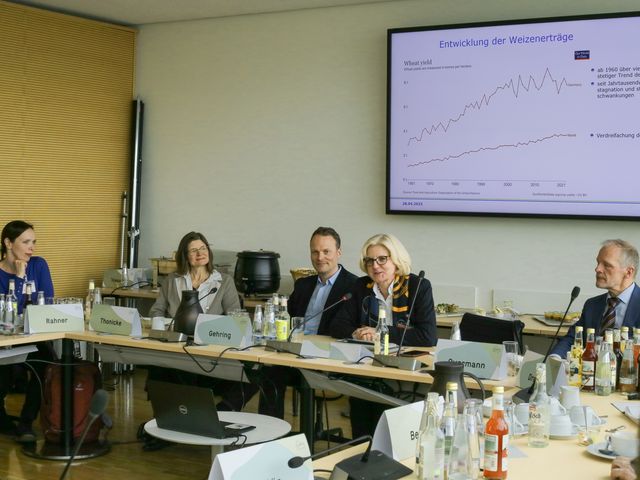
Leibniz Lunch at the Bundestag "130 Days After the World Biodiversity Conference": Stimulating exchange between science and politics
04/28/2023 · Leibniz Association and Leibniz BiodiversityAt the invitation of Leibniz President Professor Martina Brockmeier and the Chairman of the Committee on Education, Research and Technology Assessment Kai Gehring, MdB, Leibniz Biodiversity presented the latest scientific findings and important contexts relevant for the implementation of the global biodiversity framework goals in Germany 130 days after the World Biodiversity Conference. PD Dr Kirsten Thonicke (PIK), Professor Jörg Overmann (DSMZ) and PD Dr Kerstin Drastig (ATB) gave scientific presentations on climate, biocultural biodiversity, biodiversity-friendly incentives, invisible biodiversity, digital sequence information, sustainable agriculture, food and water. In a subsequent discussion moderated by Eva Rahner (PIK), the topics were discussed and deepened with the political representatives.
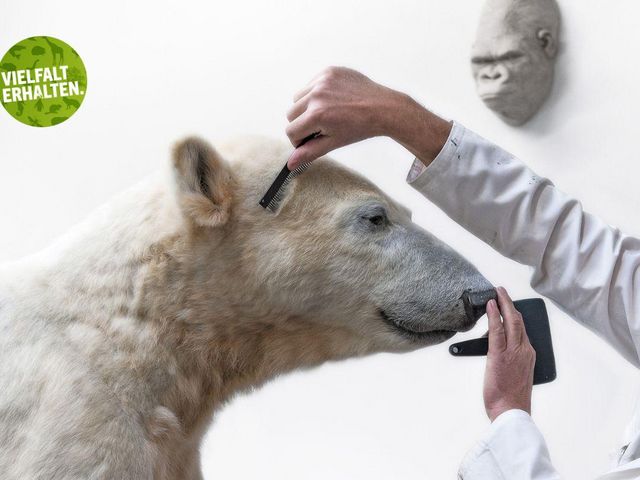
Polar bear Knut reminds us of our responsibility
04/01/2023 · MfNKnut attracted millions of people to the Berlin Zoological Garden. On March 19, 2011, he died at the age of only four, many people grieved the death of the polar bear. Today he stands as a taxidermy in the Museum für Naturkunde Berlin and reminds us all how threatened our planet is by man-made climate change and species loss. Like hardly any other animal species, polar bears have become a symbol for the consequences of climate change.
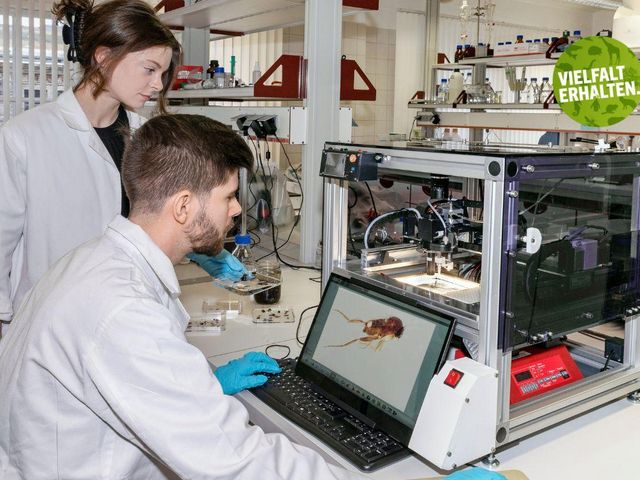
The species discovery factory
03/30/2023 · MfNWe are running out of time. As you read this text, animal and plant species that are still unknown and have never been scientifically described become extinct because we are contaminating the environment, affecting the climate and destroying the habitats of fellow inhabitants of this earth. What a treasure of life we, the so-called wise man, Homo sapiens, are irretrievably destroying! This affects in particular the group of animals with the most species, the insects. In tropical countries, where the diversity is greatest, most of the information is missing. The species discovery factory of the Museum für Naturkunde can and will change that.
Scientists discover giant insect genome
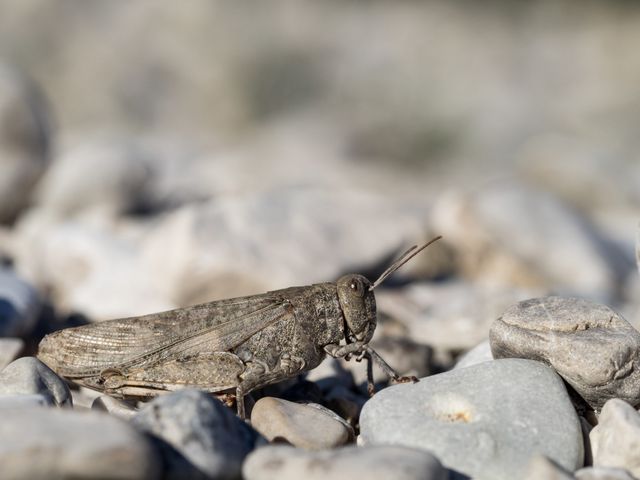
03/16/2023 · LIBThe largest genome of any insect, seven times the size of the human genome, was recently discovered in a grasshopper. In a study published in PLOS ONE, researchers from the German Leibniz Institute for the Analysis of Biodiversity Change (LIB) and the Czech Academy of Sciences prove wrong the idea of insect genomes being comparatively small and less complex.
LIB researchers discover 172 new species in 2022
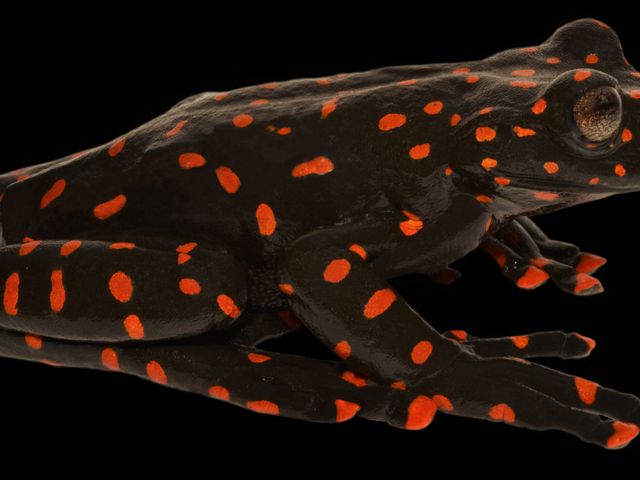
03/03/2023 · LIBThe blind spot of biodiversity is getting a little smaller: researchers at the LIB were able to name and describe a total of 172 new animal species last year. From cockchafer to blind long-legged spider species to amber inclusions, species from a total of twelve different animal orders were identified. Nevertheless, according to our experts, not only must efforts be increased, but new forms of descriptions must also be developed so that in the future we can continue to fathom the largely still unknown biodiversity of our planet.
War in Ukraine threatens freshwater resources and water infrastructure
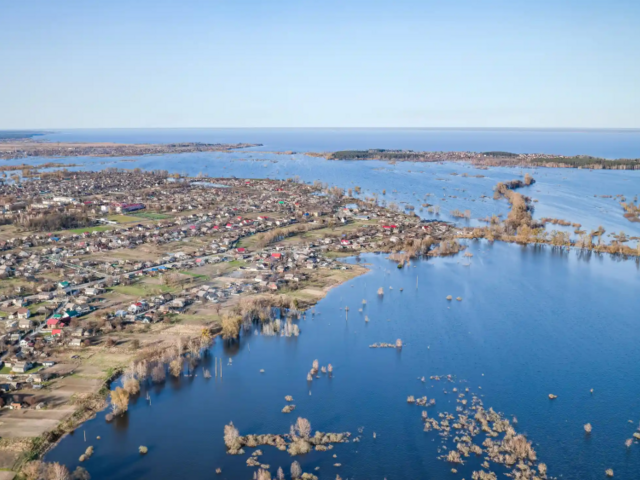
03/02/2023 · IGB and SGNThe ongoing war in Ukraine is having multiple impacts on the country’s water sector, according to a recent study led by Leibniz-Institute for Freshwater Ecology and Inland Fisheries (IGB) and the Senckenberg Society for Nature Research (SGN) that has been published in the journal Nature Sustainability. In addition to the horror of the direct consequences of war, the destruction of water infrastructure also carries long-term consequences and risks for the population, the environment and global food security.