
News from the Network
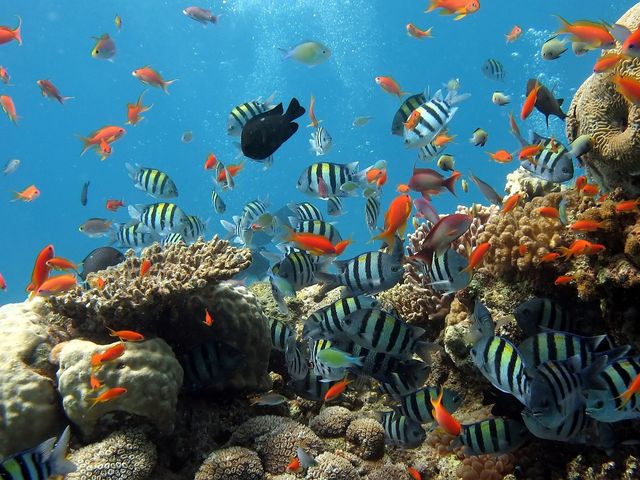
Climate change could become the main driver of biodiversity decline by the mid-21st century
08/23/2024 · PIK and iDivWhereas global biodiversity has declined between two and eleven percent during the 20th century due to land-use change alone, climate change could become the main driver of biodiversity decline by the mid-21st century. According to the findings of the largest modelling study of its kind – published by over 50 scientists from more than 40 institutions - climate change stands to put additional strain on biodiversity and ecosystem services. For all scenarios, the impacts of land-use change are expected to decline biodiversity in all world regions but much higher when climate change is considered. The study was led by the German Centre for Integrative Biodiversity Research (iDiv), with contribution of the Potsdam Institute for Climate Impact Research (PIK).
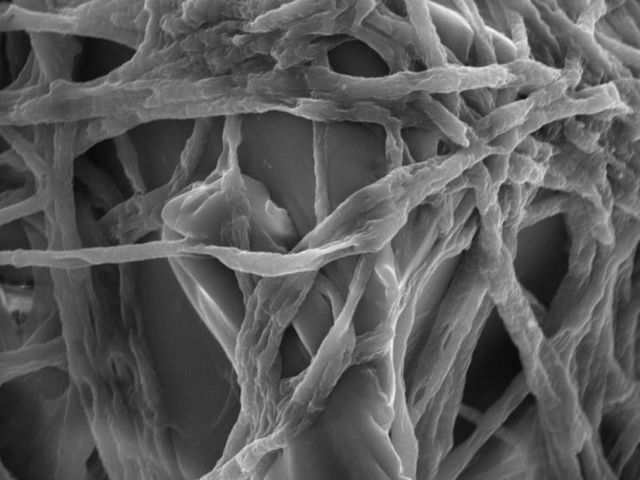
Efficient plastic-feeding fungi in freshwater ecosystems identified
06/27/2024 · IGBScientists from the Leibniz-Institute of Freshwater Ecology and Inland Fisheries (IGB) and the University of Potsdam have identified four strains of fungi that have a high potential to degrade common plastics such as polyurethane, polyethylene and tire rubber. The study, led by Professor Hans-Peter Grossart at IGB, found that polyurethane is the most degradable plastic. This research offers new insights for the sustainable management of plastic waste and for large-scale recycling solutions.
![[Translate to english:] Juni 2024 | Stellungnahme Klima – Wasserhaushalt – Biodiversität: für eine integrierende Nutzung von Mooren und Auen](/fileadmin/_processed_/0/1/csm_Stellungnahme-moore-auen_be209acb5c.png)
Climate - water balance - biodiversity: for the integrated use of peatlands and floodplains (2024)
06/27/2024 · IGB, SGN und ATBPeatlands and floodplains protect the climate, buffer periods of flooding and drought and secure habitats. In Germany, 94% of peatlands have been drained and almost all floodplains have been cut off from rivers. In a statement, the Leopoldina outlines options for action and calls for the rewetting of peatlands and the renaturation of floodplains. In this context, the Senckenberg Society for Nature Research (SGN) the Leibniz Institute of Freshwater Ecology and Inland Fisheries (IGB) and the Leibniz Institute for Agricultural Engineering and Bioeconomy (ATB) are involved in order to ensure climate, water and biodiversity protection and at the same time enable their economic use.
![[Translate to english:] Messgerät auf einem landwirtschaftlichen Feld](/fileadmin/_processed_/9/4/csm_amt-17-1317-2024-f03-web_ZALF_1ae6aa04af.png "[Translate to english:] Messgerät auf einem landwirtschaftlichen Feld")
Democratising access to measurement technology: ZALF develops cost-effective measurement system for worldwide use
03/22/2024 · ZALFResearchers at Leibniz Centre for Agricultural Landscape Research (ZALF) have developed a low-cost instrument for agricultural research to measure carbon dioxide (CO2) fluxes and evaporation from plant and soil surfaces. The device will help fill data gaps on greenhouse gas emissions and water use efficiency in agriculture.
DNCi2023 report published: Protecting biodiversity | What can Saxony do?
12/19/2023 · IOERHow can actors in Saxony contribute to the fulfilment of global biodiversity goals? This question was the focus of the Interim Dresden Nexus Conference (DNCi2023) in summer 2023, a regional workshop format related to the international Dresden Nexus Conference (DNC). The summary of the results has now been published by the three organising institutions: United Nations University (UNU-FLORES), Leibniz Institute of Ecological Urban and Regional Development (IOER) and TUD Dresden University of Technology.

When darkness disappears: How light pollution is changing aquatic life
11/30/2023 · IGBHumans have traditionally settled near water, which is why light pollution levels are particularly high along coastlines, rivers and lakes. Excessive artificial light in freshwater environments has far-reaching consequences for aquatic organisms and entire ecosystems. But what exactly happens to light underwater? How do animals perceive it? And how do organisms adapt their body functions and behaviour to it? These and other questions are at the heart of scientific research into light at Leibniz Institute of Freshwater Ecology and Inland Fisheries (IGB), and why not all light is the same.
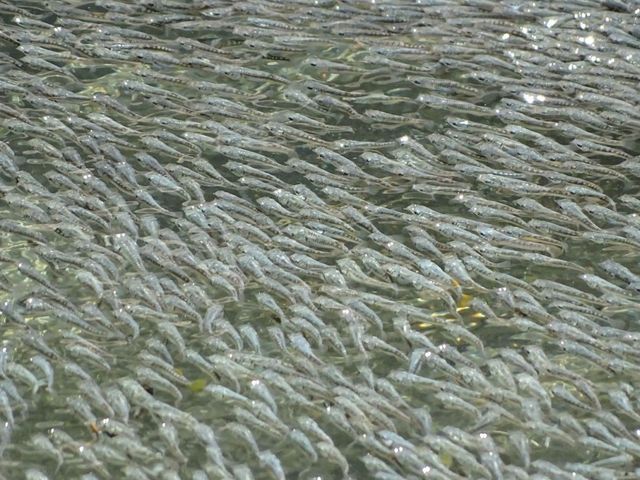
Contagious behaviour: Social conformity in animals and humans can be useful, but also dangerous
09/28/2023 · IGBAnimal behavioural research is fascinating, not least because it reveals information about how we humans interact with each other as social beings. Behavioural biologists at the Leibniz Institute of Freshwater Ecology and Inland Fisheries (IGB) are deeply involved in exploring the ways in which communities like schools of fish make decisions and the factors that influence individuality. Current research shows that behaviour can be “contagious”. It also reveals the role that anticipation plays in collective decision-making – and that even genetically identical individuals raised under the same conditions can develop different character traits.
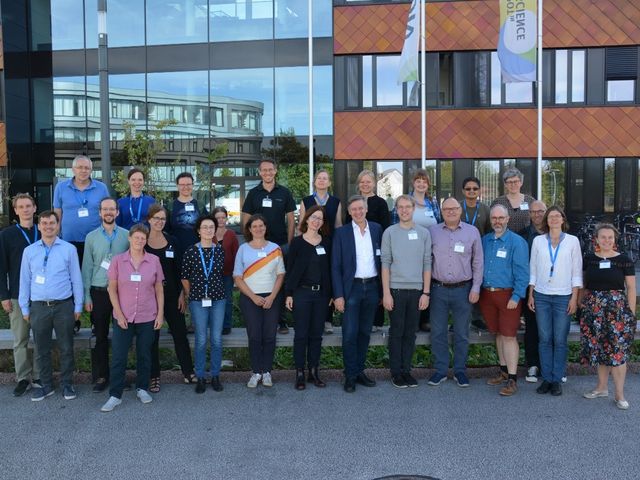
10MustKnows24 authors convened in Leipzig for Writing Workshop
09/20/2023 · Leibniz Biodiversity, FEdA and iDivOn 20 September the 10MustKnows24 authors and coordinators from the Leibniz Research Network Biodiversity (Leibniz Biodiversity) and the BMBF Research Initiative for the Conservation of Biodiversity (FEdA) convened at the German Centre for Integrative Biodiversity Research (iDiv) in Leipzig for their central writing workshop.