Utilising diversity together

The sustainable use of biodiversity is made possible by science and research. In pharmacy, plants, animals and microorganisms are indispensable for the development of new medicines. Diversity is a prerequisite for the breeding of resistant plants and animals and thus for food security. Research findings emphasise the importance of biodiversity for ecosystem services and shed light on the interactions between biodiversity and climate change. This knowledge is important for the development of effective adaptation strategies. The preservation of biodiversity is not only a benefit for us, but also for future generations.

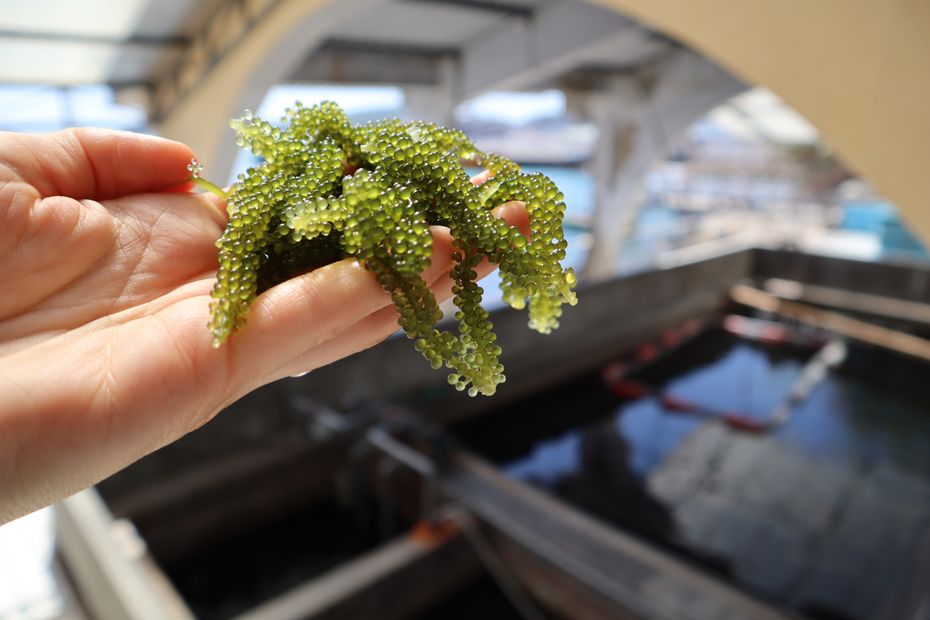
Close-up of a green algae known as “sea grape” (Caulerpa lentillifera) held in a hand above the water surface. The algae consists of many small, spherical branches.
The ocean harbours a large part of the world's biodiversity and offers valuable resources for agricultural and food system transformation. Leibniz institutes, i. e., study the sustainable cultivation and utilisation of less researched marine stocks in the tropics, such as the sea vegetable ‚sea grape‘ (Caulerpa lentillifera) shown here. | Copyright: Lara Stuthmann, ZMT
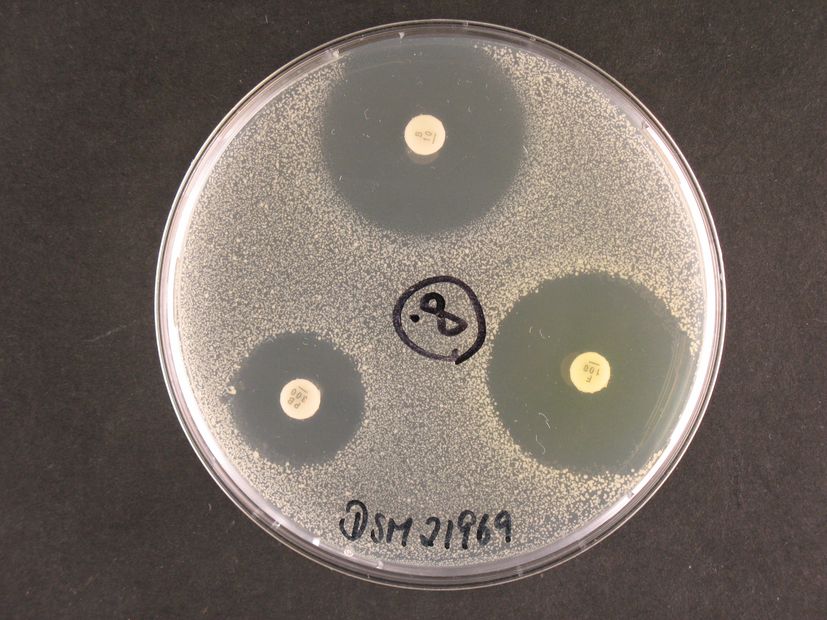
Top view of a Petri dish with bacterial culture (Staphylococcus rostri). Three white discs containing antibiotic agents produce clear “inhibition zones” in which bacterial growth has been suppressed.
The diversity of microorganisms is used to test new active substances such as antibiotics. Here, the so-called inhibition zones around the three small white plates clearly show that the applied agent is able to suppress the growth of Staphylococcus rostri (DSM 21969). | Copyright: DSMZ
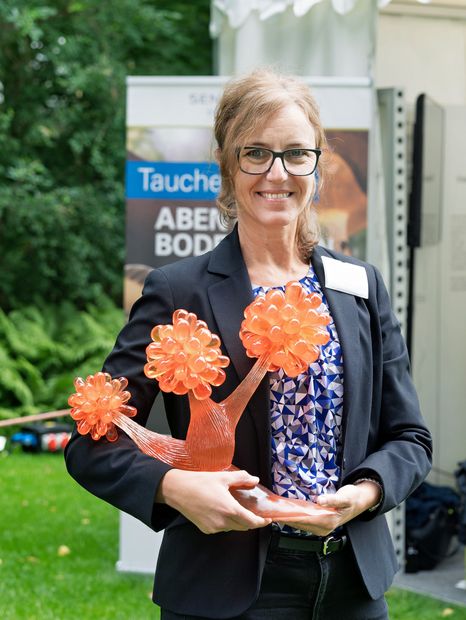
Portrait photograph of Dr Cecilia G. Flocco smiling as she holds an orange, branched model of a myxobacterium in her hands. A banner of the Leibniz Institute DSMZ can be seen in the background.
Dr. Cecilia G. Flocco (Leibniz Institute DSMZ) with a model of a myxobacterium that has formed fruiting bodies. This bacteria is known to produce various medically useful substances. | Copyright: Leibniz Biodiversity & DSMZ, Photographer: Stefan Zeitz
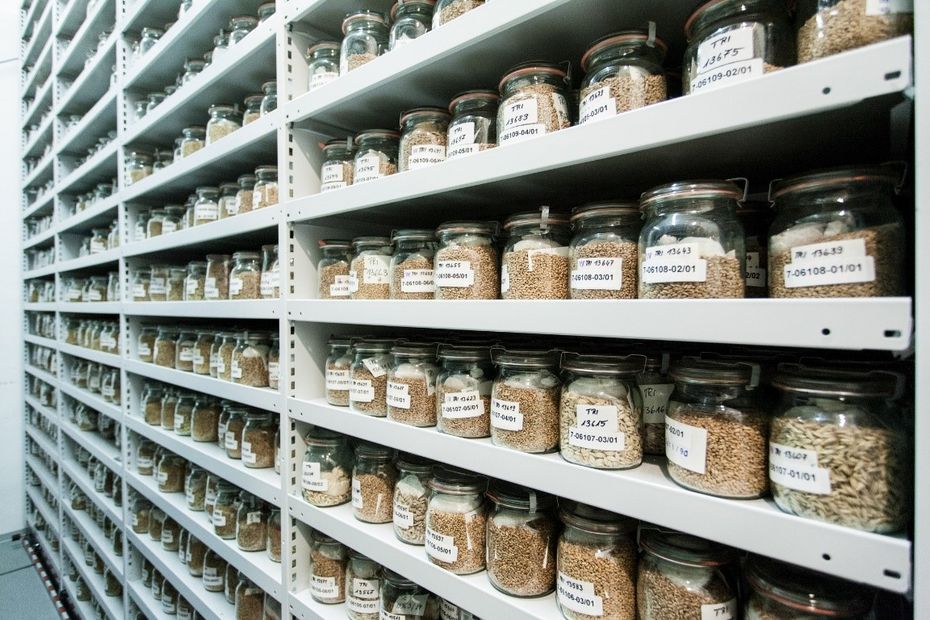
View of a shelf at the Federal Centre for Ex-situ Seed保存 at the Leibniz Institute IPK. Numerous glass containers with various seed samples and cereal grains are systematically archived on metal shelves.
Gene banks are an essential pillar for preserving the natural diversity of our planet, for gaining scientific knowledge and for the sustainable use of biological resources. The Federal Centre for Ex situ Genebank at the Leibniz Institute IPK is the largest collection of genetic diversity of cultivated plants in the European Union and one of the most important collections worldwide. | Copyright: Sam Rey, IPK
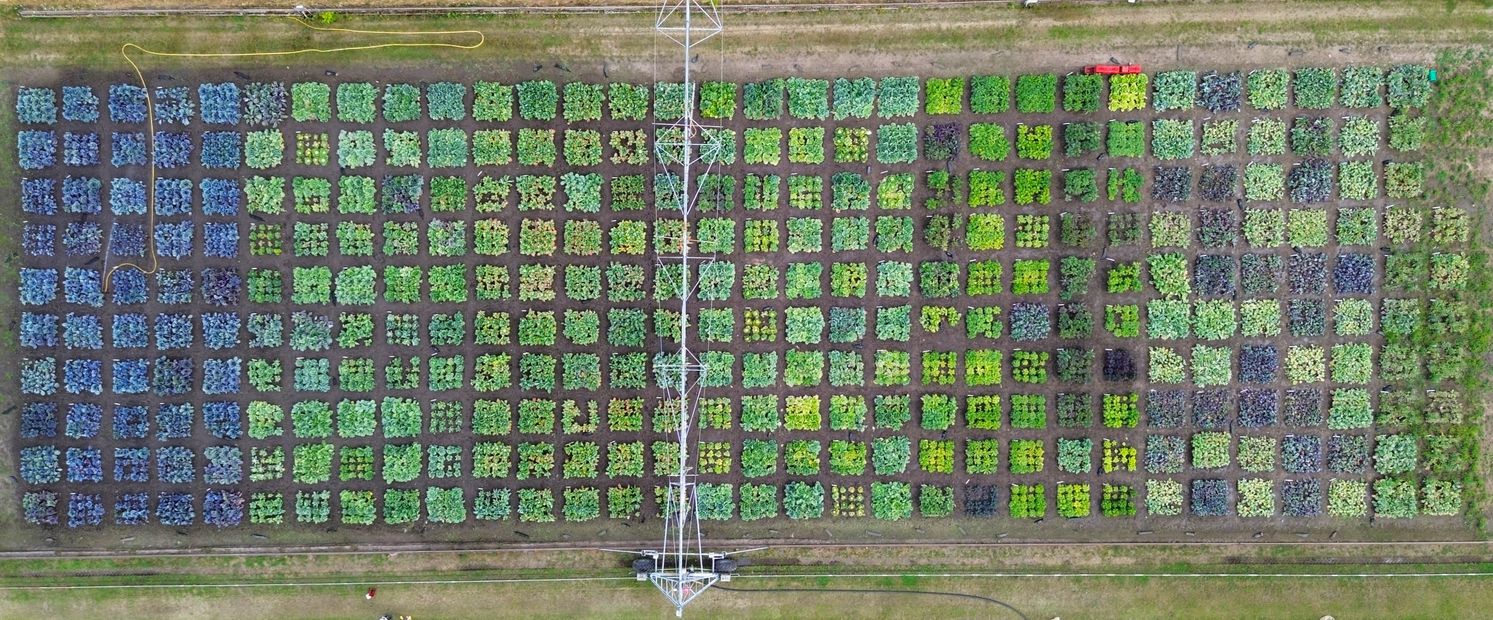
Luftaufnahme eines schachbrettartigen Versuchsfeldes in Großbeeren. Über 300 verschiedene Gemüsekohl-Parzellen in unterschiedlichen Grün- und Lilatönen sind in einem exakten Raster für Forschungszwecke angepflanzt.
On an experimental field at the Leibniz Institute of Vegetable and Ornamental Crops (IGZ) in Großbeeren, over 300 different varieties of vegetable cabbage were grown, including white and red cabbage, savoy cabbage, kohlrabi, and kale. The institute is using these crops to investigate the influence of plant diversity on health-promoting substances and their effect on human health. | Copyright: Vanda Púčiková, IGZ